Have you ever noticed how your skin doesn’t bounce back the way it used to? Or how those fine lines slowly sneak up on you as you age? You’re not imagining it.
The secret behind youthful skin lies in one powerhouse protein—collagen. Collagen is the natural scaffolding for our skin but our bodies produce less of it when we hit 20s.. The good news is that with the right knowledge and habits, you can stimulate collagen production and maintain glowing, firm skin for longer.
Collagen is the most abundant protein in the body and gives structure to skin, bones, muscles, and connective tissues. It keeps skin firm, smooth, and resilient. Working alongside elastin for stretch and hyaluronic acid for moisture, collagen is a key factor in keeping skin youthful. As its levels drop, so does your skin’s plumpness, elasticity, and overall tone. This will inevitably lead to tired, aged looking skin.
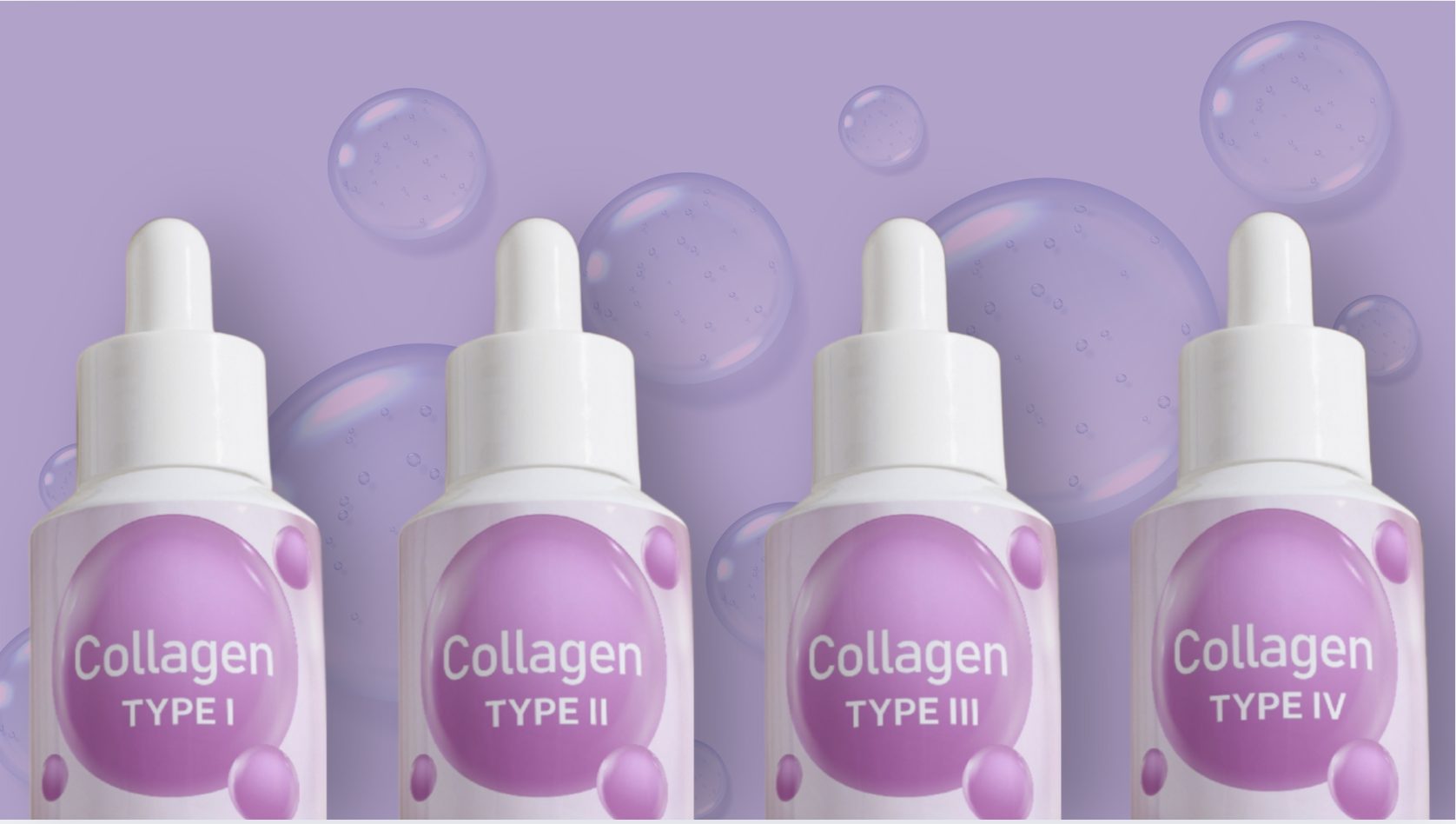
While there are over two dozen types, the skin relies mainly on three types of collagen.
These types of collagen work together to keep our complexion supple and strong. However, external factors such as age, environment, and your lifestyle can weaken their presence.
Collagen is the backbone of youthful skin. As its production slows, you will begin to notice various changes.
This is why keeping collagen levels high is key to slowing these changes and preserving your youthful radiance.
Understanding collagen loss can help you take action early.
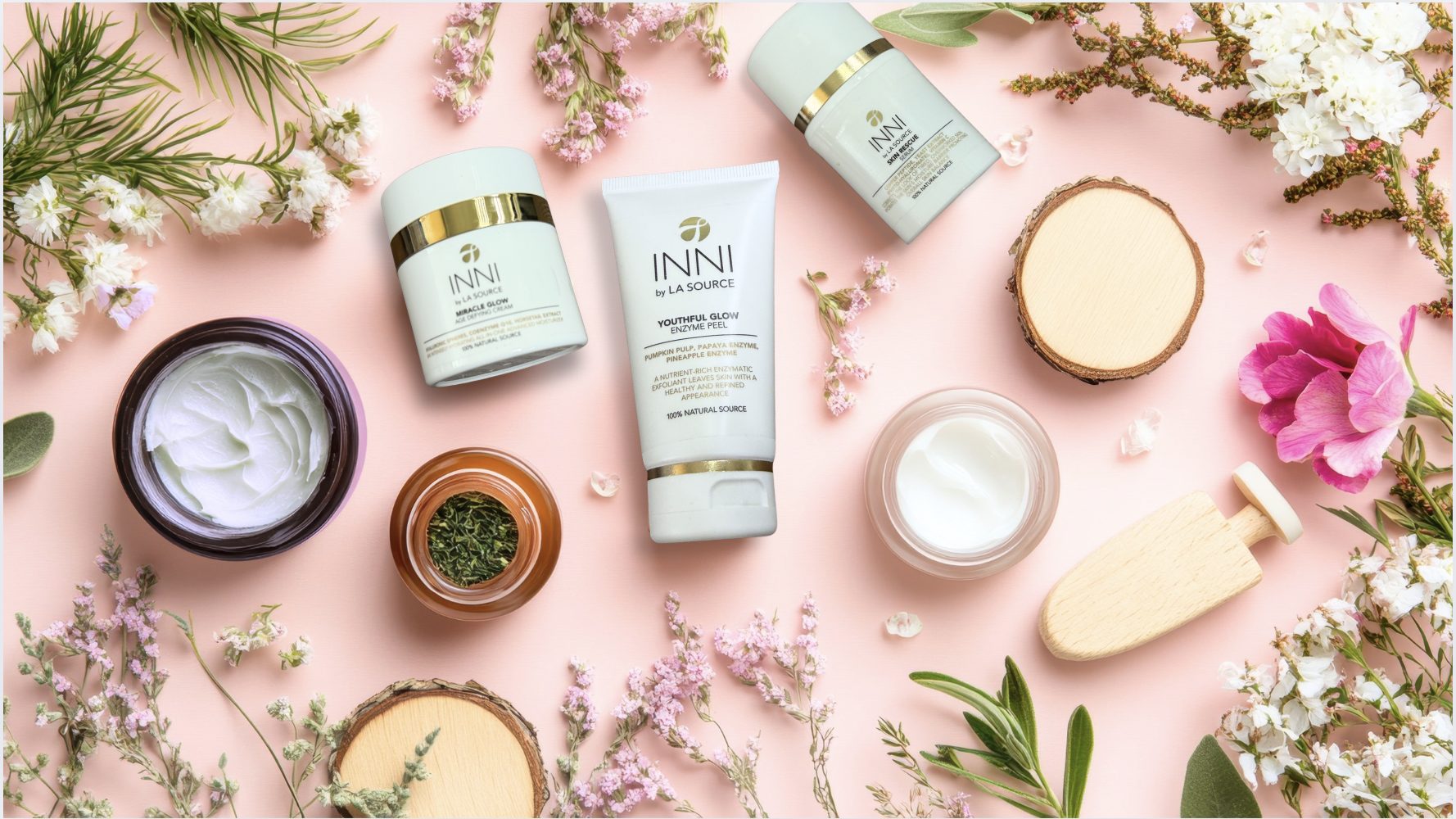
There’s no miracle cure, but not all hope is lost. With consistent care and targeted strategies, you can naturally boost the collagen levels in your skin.
Collagen-friendly foods include:
Modern treatments target deeper skin layers where collagen is formed.
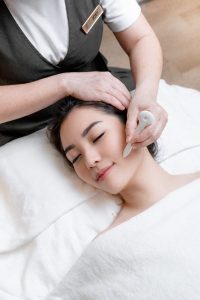
Bojin Therapy is a Traditional Chinese Medicine (TCM) technique. It works on fascia, muscles, and meridians using a specialized tool made of ox horn. This treatment helps to clear blockages, improve blood circulation, and stimulate collagen production naturally. Bojin is particularly useful for lifting, toning, and improving lymphatic flow, which results in brighter and firmer skin.
EndyMed uses radiofrequency (RF) energy to heat the skin’s deeper layers, triggering neocollagenesis, which is the formation of new collagen. It tightens loose skin, smooths wrinkles, and improves your skin texture over time without downtime.
Use SPF 30+ daily, even when indoors or cloudy. UV damage is one of collagen’s biggest threats. Protecting your skin against UV rays can help to maintain results from treatments and slow the breakdown of collagen.
Deep sleep supports skin repair and collagen regeneration. Practices like meditation or yoga help to lower your cortisol, which otherwise inhibits collagen production.
Refined sugar binds to collagen and weakens it, while smoking depletes oxygen and nutrients, both resulting in skin damage from within. To maintain a youthful appearance, you can cut down on both to prevent early signs of ageing.
While we can’t stop the clock, we can slow it down. Knowing how to stimulate collagen production in your skin puts the power of youth in your hands. A combination of healthy nutrition, skincare, targeted treatments, and good lifestyle choices can dramatically improve your skin’s firmness, smoothness, and glow.
So, forget the quick fixes. Start supporting healthy collagen production today, and your skin will thank you tomorrow.